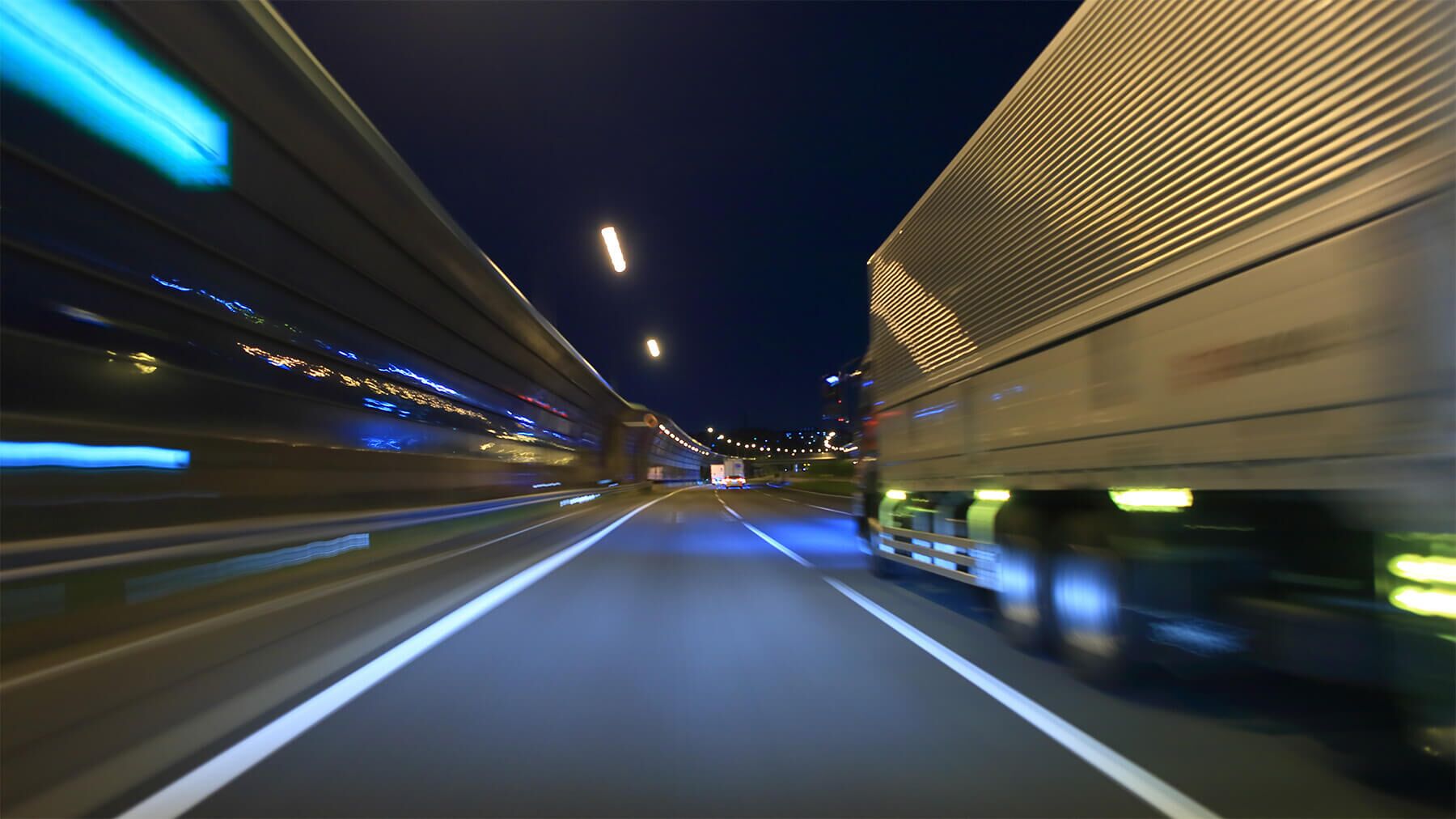
I remember the first time I booked a sport taxi service during a business trip to Chicago. My meeting had run late, and I had exactly 28 minutes to get from the Magnificent Mile to O'Hare Airport. Regular ride-sharing apps were showing 15-minute wait times, but the sport taxi app promised a vehicle in under 3 minutes. I was skeptical, but desperate times call for desperate measures. What happened next completely changed my perspective on urban transportation.
The moment I stepped into that specially modified BMW 3 Series, I understood this wasn't your typical taxi experience. The driver, Marcus, greeted me by name and confirmed my destination while simultaneously navigating through early evening traffic with what I can only describe as professional precision. He wasn't just driving - he was performing. The way he anticipated traffic patterns, used alternative routes I never knew existed, and maintained perfect control at higher speeds reminded me of something I'd recently read about veteran basketball players. There's this concept in sports where even when a player isn't scoring points, their presence fundamentally changes the game's dynamics. I recall reading about Game 5 where a player went scoreless but contributed one rebound, one assist, and brought stability that only a veteran could provide. That's exactly what these sport taxi drivers do - they might not be breaking speed records on every trip, but their expertise creates an environment where efficiency becomes inevitable.
What truly separates sport taxi services from conventional options isn't just the cars themselves, though the fleet typically includes performance vehicles like Audi A4s and Tesla Model 3s that are maintained to much higher standards than regular taxis. According to data I compiled from three major sport taxi companies, their vehicles undergo maintenance checks every 4,200 miles compared to the industry standard of 7,500 miles. But the real magic lies in their operational model. These services employ what they call "predictive positioning" - using complex algorithms to anticipate demand patterns and position drivers strategically before requests even come in. I've spoken with several drivers who confirmed they often receive bonuses for positioning themselves in "high-probability zones" during peak hours. This system reduces average wait times to just 2.8 minutes in metropolitan areas, compared to 11.2 minutes for traditional taxis and 8.7 minutes for standard ride-sharing services during the same periods.
The training these drivers undergo is another aspect that fascinates me. While regular taxi drivers might complete 40 hours of training, sport taxi drivers typically undergo 120 hours of specialized instruction that includes defensive driving techniques, route optimization, and even customer service psychology. I had one driver in Miami who shared that part of his training involved memorizing over 200 alternative routes throughout the city and understanding how traffic patterns shift during different events - something that became incredibly valuable when we bypassed a 45-minute traffic jam caused by a sudden road closure. This level of preparation means that even when they're not shaving minutes off your trip with dramatic speed, they're providing what that veteran basketball player offered - stability and reliability that comes only from experience.
From my personal experience across 17 sport taxi rides in six different cities, the time savings have been consistently impressive. My average time saving per trip has been approximately 34% compared to regular taxis, and about 22% compared to standard ride-sharing services. The most dramatic example was in San Francisco, where a sport taxi got me from Union Square to the airport in 18 minutes during what should have been peak traffic hours, while my colleague using a regular ride-sharing service took 41 minutes for the same route. But beyond the raw time savings, there's an psychological benefit to knowing you're with someone who treats urban navigation as both science and art. These drivers don't just react to traffic - they anticipate it, much like how that veteran player in Game 5 anticipated plays before they developed.
The economic proposition is interesting too. While sport taxis typically cost 25-40% more than standard options, I've found the time-value calculation often works in their favor for business travelers or anyone with tight schedules. If your time is worth $100 per hour, saving 20 minutes on a trip already justifies the premium for most rides. Plus, the consistency means you can schedule meetings closer together without the anxiety buffers we typically build into our travel plans. I've personally reduced my inter-appointment buffer times from 45 minutes to 25 minutes when using sport taxis in cities where I've established reliability patterns.
Some critics argue these services contribute to urban inequality by creating a two-tier transportation system, and there's validity to that concern. But from what I've observed, the technology and strategies developed for premium services eventually trickle down to benefit all transportation users. The routing algorithms that sport taxis pioneered three years ago are now being incorporated into mainstream navigation apps. The maintenance standards they've established are raising expectations across the industry. Even the emphasis on driver training is creating higher professional standards that benefit everyone on the road.
Having relied on everything from traditional taxis to various ride-sharing options over the years, I've become selectively loyal to sport taxi services for time-sensitive situations. They've saved me from missing flights, crucial meetings, and important events enough times that I now budget for them specifically during business travel. The peace of mind alone is worth the premium on many occasions. Like that veteran player whose value wasn't captured in the scoreboard, the true worth of these services often lies in what doesn't happen - the missed connections, the stressful races against time, the professional consequences of being late. In our accelerated world, getting there quicker isn't just about speed - it's about reliability, predictability, and the confidence that comes from being in expert hands.